


Explore how International Women’s Day 2026 highlights give to gain leadership in martech, ethical AI, privacy-first marketing, and business performance.
Women’s Day is around the corner, and for brands, it is no longer a calendar moment where they add purple logos and social media tributes. It’s time to consider this day as a strategic gateway that will not just allow audiences to pose questions, but also help investors evaluate long-term cultural resilience. On a similar note, Edelman found that 64% of consumers across the globe purchase or recommend brands through shared beliefs. That change puts values-based marketing at the center of the executive strategy, rather than communications planning.
With this understanding, this year’s theme of Give to Gain reinforces a growing expectation that when brands invest in equity, representation, and meaningful change, they build stronger businesses in return.
1. International Women’s Day as a Strategic Business Imperative
In the United States and Europe, companies are seeing International Women’s Day as a sign of performance rather than a promotion opportunity. Catalyst records that women occupy about 29% of top management in the US. The European Institute of Gender Equality states that women constitute approximately 33% of board members in the European Union.
Progress is visible, but uneven.
This is where the concept of Give to Gain is commercially applicable. Brands that invest in sponsorship efforts, pay transparency, and build leadership pipelines are actually building a trust culture. This initiative guides the companies on the right track to minimize reputational risk and build brand trust.

According to the report by McKinsey & Company, companies that have greater gender representation in the executive ranks are much more inclined to succeed financially.
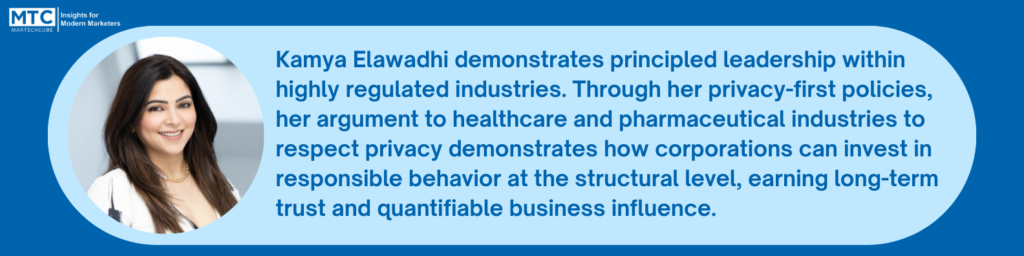
For marketing leaders, the implication is direct. If the internal culture does not match the external campaign message, then credibility gets mislaid easily. In 2026, the audience tends to scrutinize leadership lists and pay equity reports before they get into brand messages. International Women’s Day, therefore, becomes an event to exhibit structural adherence, rather than seasonal creativity.
2. The Rise of Brand Activism and Values-Driven Marketing
Brand activism has matured from merely being a reactionary statement to an integrated strategy. Havas Group reveals that 73% of consumers expect brands to do something now in the good of society and the planet. Therefore, during International Women’s Day initiative can be visible in the form of investments. For instance:
- Parental leave in Canada has increased.
- Companies in Germany and France have now publicly pledged to achieve diversity in boards in accordance with the EU gender balance guidelines.
- In Africa, the MNCs are collaborating with SMEs with women leaders to facilitate day-related economic inclusion programs.
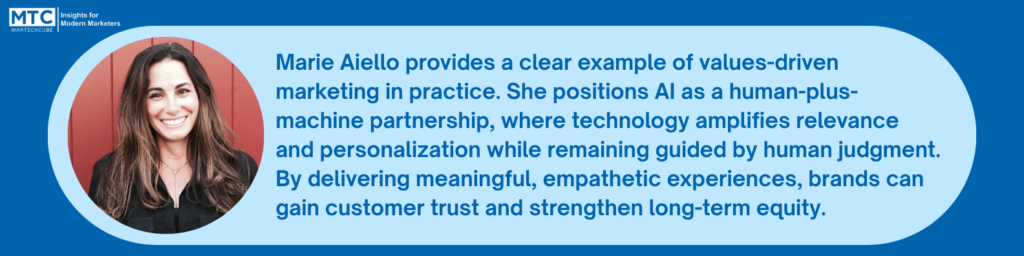
For brand leaders, that advice extends beyond product teams. With value-driven marketing, brands can easily become more customer-centric and solve genuine problems that will eventually strengthen long-term equity.

International Women’s Day is not a standalone campaign, but brands should consider it as a stress test for their purpose.
In the End
Give to Gain is by no means a theme but a reflection of a measurable shift in how audiences evaluate brands. This International Women’s Day, companies can reevaluate their brand’s position and move beyond performative messaging toward accountable action.
As Women’s Day approaches, may your brand strategies reflect both purpose and performance that will help the audience to gain trust, resilience, and long-term relevance.
Wishing you a meaningful and impactful International Women’s Day. Happy Women’s Day.